




A Guide to Growing and Using Amaranth Microgreens at Home
Discover the basics of growing Amaranth microgreens at home and learn important safety tips for consuming raw or cooked sprouts in your daily diet.
Understanding Amaranth Microgreens
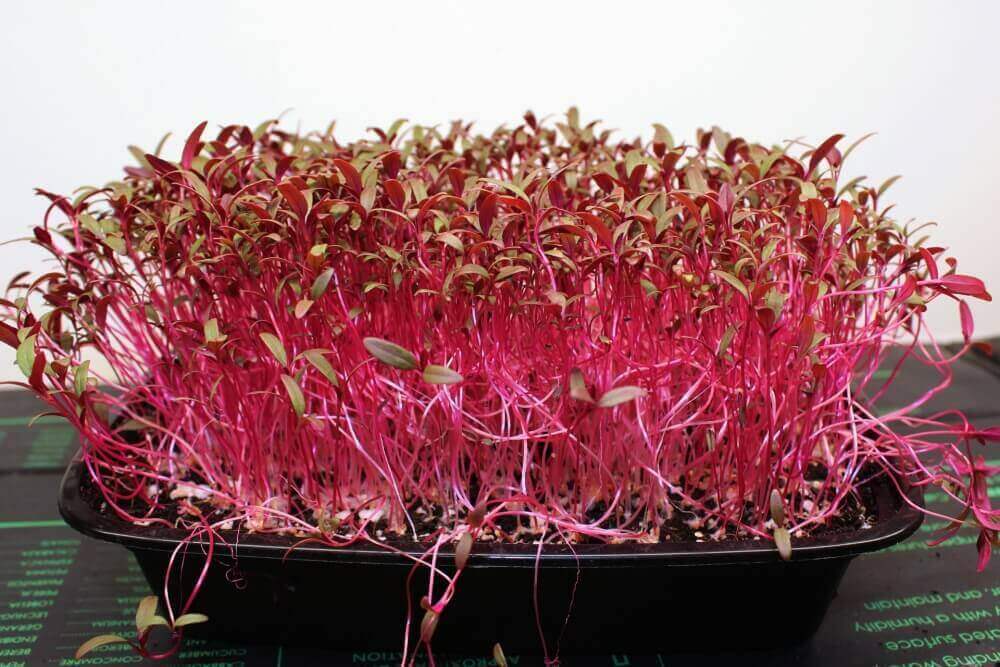
Microgreens have become a popular addition to home kitchens across Pakistan, offering a way to add vibrant color and flavor to various dishes. Among the many varieties available, Amaranth microgreens stand out for their striking deep red or magenta leaves. These tiny greens are the young seedlings of the amaranth plant, harvested shortly after the first true leaves have developed. Because they are harvested at such an early stage, they are prized for their delicate texture and visual appeal on the plate.
For many home gardeners and health-conscious individuals, growing these greens is an accessible project that requires minimal space. Whether you live in an apartment or a house with a small balcony, you can cultivate a steady supply of these colorful greens. Understanding the growth cycle and the specific needs of these seeds is the first step toward successfully integrating them into your culinary routine.
The Basics of Cultivating Amaranth Microgreens
The process of growing microgreens begins with selecting high-quality seeds. It is essential to ensure that your seeds are intended for sprouting or microgreen production, as these are typically untreated and free from chemical coatings. Unlike traditional gardening, you do not need a large plot of land. A shallow tray with drainage holes is sufficient for most home setups.
To start, fill your tray with a clean, sterile potting mix. Spread the amaranth seeds evenly across the surface of the soil. It is important not to overcrowd the seeds, as this can lead to poor air circulation and increase the risk of mold. Once spread, lightly cover the seeds with a thin layer of soil or press them firmly into the surface. Keep the tray in a dark, warm place for the first few days to encourage germination, keeping the soil consistently moist but not waterlogged.
Once the seeds have sprouted and the seedlings begin to reach for light, move the tray to a sunny windowsill or under a grow light. Amaranth microgreens thrive in bright, indirect light. As they grow, continue to mist them gently with water. Within one to two weeks, the greens will typically reach a height of two to three inches, which is the ideal time for harvesting. Use a clean pair of scissors to cut the greens just above the soil line, and they are ready to be used in your cooking.
Safety Considerations for Consuming Microgreens
While microgreens are a fun addition to the table, it is important to understand the safety aspects of consuming them. Raw or undercooked sprouts and microgreens can sometimes carry harmful bacteria, such as Salmonella or E. coli. These bacteria can survive in the warm, humid conditions required for the seeds to germinate and grow.
Rinsing your microgreens under running water is a standard practice, but it is important to note that rinsing alone does not eliminate the risk of bacterial contamination. For individuals who are at a higher risk of foodborne illness—such as young children, the elderly, pregnant women, or those with weakened immune systems—it is highly recommended to avoid consuming raw or lightly cooked sprouts and microgreens entirely.
To enjoy these greens safely, the most effective method is to incorporate them into dishes that are thoroughly cooked. Adding your microgreens to a stir-fry, a warm soup, or a sautéed vegetable medley during the final stages of cooking ensures that they are heated sufficiently. By cooking them, you can enjoy the unique flavor and color of amaranth in your meals while minimizing the potential risks associated with raw consumption.
Incorporating Amaranth Microgreens into Your Pakistani Kitchen
Amaranth microgreens offer a mild, earthy flavor that complements a variety of local dishes. Because of their vibrant color, they serve as an excellent garnish for traditional meals. Consider sprinkling them over a bowl of hot dal or using them as a topping for a fresh salad made with local vegetables. Their delicate nature means they should be added right before serving to maintain their appearance and texture.
If you are looking to experiment with new flavors, try blending these microgreens into a homemade chutney or adding them to a light omelet. When using them in cooked dishes, remember to add them at the very end of the cooking process to preserve as much of their character as possible. They are not meant to be simmered for long periods, as their thin leaves will wilt quickly under high heat.
Beyond their culinary use, the process of growing microgreens at home can be a rewarding hobby. It encourages a deeper connection to the food we eat and provides a sense of accomplishment when you harvest your own fresh greens. Keep your growing area clean, monitor your trays daily for any signs of mold or excess moisture, and always prioritize hygiene when handling your harvest. By following these simple steps, you can safely enjoy the beauty and freshness of home-grown amaranth microgreens in your daily diet. If you have questions about the types of seeds or supplies that might be best for your home garden, feel free to consult with your local store or reach out to us for guidance on getting started with your own indoor garden project.