




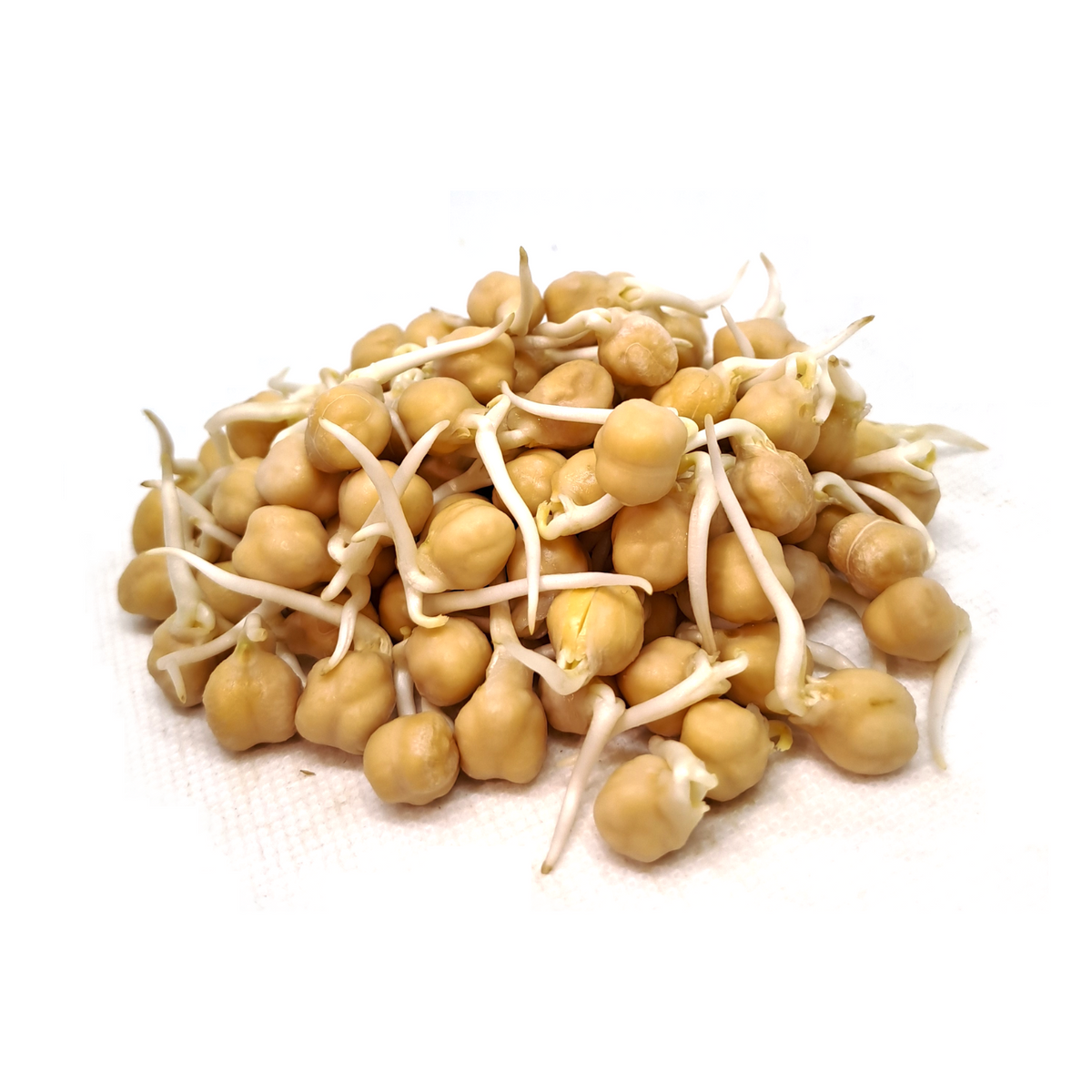
Understanding Chickpea Sprouts: A Practical Guide for Your Kitchen
Discover the essentials of preparing and enjoying chickpea sprouts at home, focusing on safety, proper handling, and culinary versatility in your daily meals.
Chickpeas, known locally as chana, are a staple in Pakistani households. While most of us are accustomed to using them in curries or salads after boiling, sprouting them is a unique way to explore their texture and flavor profile. Sprouting is a simple process that involves soaking and germinating dried seeds until they develop small shoots. This practice has become a topic of interest for home cooks looking to add variety to their kitchen routine. Understanding how to handle these sprouts correctly is the first step toward incorporating them safely into your favorite recipes.
The Process of Sprouting Chickpeas at Home
To begin the sprouting process, you must start with high-quality, whole dried chickpeas. The process begins by thoroughly rinsing the chickpeas to remove any dust or debris. Once clean, place them in a bowl and cover them with plenty of fresh water, allowing them to soak for at least eight to twelve hours. During this time, the seeds will absorb water and expand significantly. It is essential to use a clean container and cover it with a breathable cloth to keep the environment clean while allowing for air circulation.
After the initial soak, drain the water completely and rinse the chickpeas again. Place the damp chickpeas in a sprouting jar or a colander covered with a damp cloth. Keep them in a cool, dark place away from direct sunlight. You will need to rinse and drain the chickpeas at least twice a day to maintain moisture and prevent the growth of unwanted bacteria. Within two to three days, you will notice small white tails emerging from the seeds. Once they reach your desired length, they are ready to be used in your culinary preparations.
Understanding Safety and Proper Handling
One of the most important aspects of working with raw sprouts is understanding food safety. Raw or undercooked sprouts can potentially carry harmful bacteria, as the warm and humid conditions required for sprouting are also ideal for bacterial growth. It is a common misconception that rinsing alone eliminates these risks. While rinsing is a necessary step during the germination process, it does not sanitize the sprouts effectively enough to remove all potential pathogens.
Because of this, it is highly recommended that you cook your chickpea sprouts thoroughly before consumption. Cooking, whether by steaming, sautéing, or adding them to a boiling curry, is the most effective way to ensure they are safe to eat. Individuals who are at a higher risk of foodborne illness—such as children, the elderly, pregnant women, or those with compromised immune systems—should strictly avoid eating raw or lightly cooked sprouts. Prioritizing thorough cooking keeps your kitchen safe while allowing you to enjoy the unique texture that sprouted chickpeas provide.
Culinary Uses for Sprouted Chickpeas
Once you have safely prepared your sprouts, they can be a versatile addition to many dishes. Their slightly crunchy texture and earthy flavor complement a wide range of ingredients. One popular way to use them is to incorporate them into stir-fries. Because they have already been germinated, they cook much faster than dry, unsoaked chickpeas. Simply toss them into a pan with some onions, spices, and vegetables for a quick and nutritious side dish.
Another excellent way to enjoy them is by adding them to hearty soups or stews. By adding them toward the end of the cooking process, you can maintain some of their structure while ensuring they are heated through completely. You can also blend cooked sprouts into homemade hummus or mash them into patties for a vegetarian-friendly meal option. The key is to experiment with different seasoning profiles, such as cumin, coriander, and chili, which are already staples in most Pakistani kitchens, to find the flavor combinations you enjoy the most.
Common Mistakes to Avoid
When you are new to sprouting, it is easy to make simple mistakes that can affect the quality of your harvest. One of the most frequent errors is failing to drain the water properly. If the chickpeas remain sitting in stagnant water, they will begin to ferment or rot, resulting in a sour smell and a slimy texture. Always ensure that the container used for sprouting allows for excess water to drain away completely between rinses.
Another common mistake is overcrowding the sprouting container. When too many chickpeas are packed into a small space, airflow is restricted, which can lead to uneven sprouting and mold growth. Use a container that provides enough room for the chickpeas to expand as they grow. Additionally, avoid using water that is too warm or too cold; room temperature, clean tap water is usually sufficient for the process. If you ever notice an off-putting odor or visible signs of mold, it is safer to discard the batch entirely rather than trying to salvage it.
Storage and Maintenance
If you have prepared more sprouts than you can use immediately, proper storage is essential. Once the sprouts have reached the desired length and have been thoroughly rinsed, allow them to dry slightly on a clean paper towel. Transfer them to an airtight container and store them in the refrigerator. Even when refrigerated, sprouts are best consumed within a few days to ensure they remain at their peak quality.
Before using stored sprouts, always give them a quick visual check and a smell test. If they appear slimy, discolored, or develop a strong, unpleasant odor, they should be discarded. Maintaining a clean kitchen environment throughout the sprouting and storage process is the best way to ensure a positive experience. Remember that the goal is to enjoy the process of preparing your own food while keeping safety at the forefront of your kitchen practices.
Conclusion
Sprouting chickpeas at home is a rewarding way to add variety to your diet and explore new textures in your cooking. By following proper hygiene, ensuring consistent rinsing, and always cooking your sprouts thoroughly, you can safely enjoy this ingredient in many different meals. Whether you choose to add them to a spicy curry or a hearty vegetable stir-fry, sprouted chickpeas offer a unique addition to the Pakistani kitchen. We encourage you to start with a small batch, observe the process carefully, and enjoy the satisfaction of preparing something fresh and wholesome for your family table.